
UNSC
(United Nations Security Council)
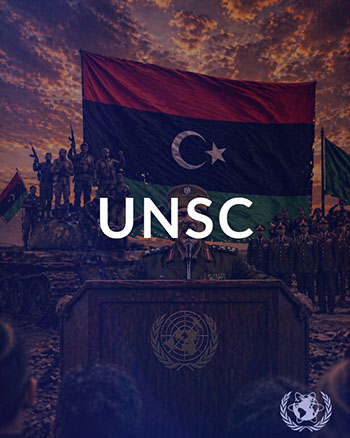
The United Nations Security Council (UNSC) is one of the six principal organs of the United Nations and is primarily responsible for maintaining international peace and security. Its powers, as set forth in the UN Charter, include establishing peacekeeping operations, authorizing military action, and imposing international sanctions. Under Chapter VII of the Charter, the Council can identify threats to international peace, detect breaches of that peace, and authorize interventions, including the use of force. It is the only UN organ with the power to make decisions binding on all member states. The Council also recommends the admission of new member states to the United Nations General Assembly and approves amendments to the Charter. The Security Council consists of 15 members: 5 permanent members (the United States, Russia, China, France, and the United Kingdom) and 10 temporary members elected by the General Assembly for two-year terms. Each of the five permanent members, who are major powers among the Allied powers of World War II or their recognized successor states, has veto power over substantive decisions. This allows anyone to block the adoption of a resolution, regardless of the level of support among other members. This veto power does not extend to non-binding General Assembly matters or votes. The presidency rotates monthly among fifteen members, in alphabetical order.
Level: Advanced
Committee Agenda: 2011 Libyan Crisis